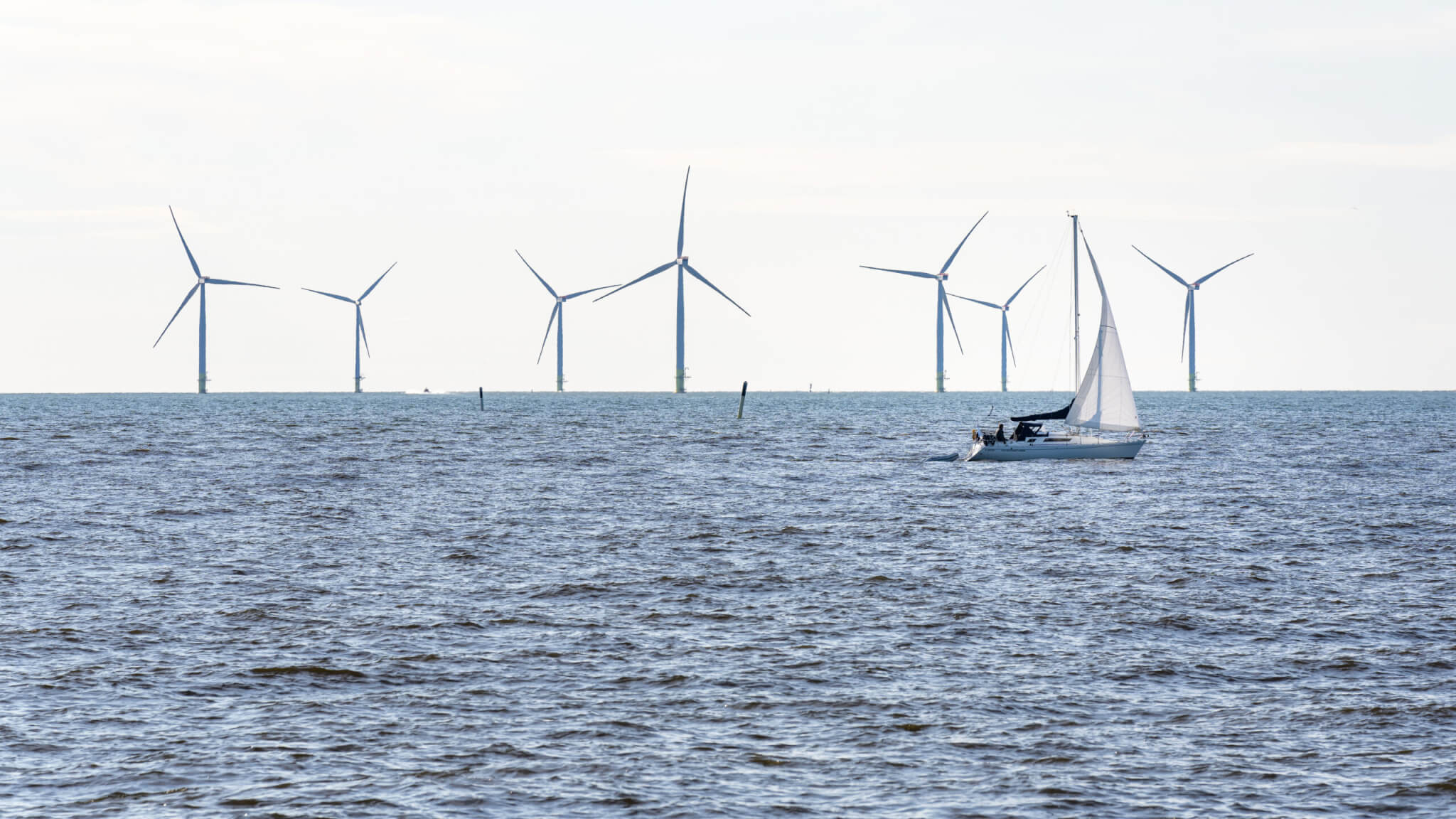
Offshore wind power is a central component in developing Finland’s energy system and enabling industrial investments.To fully harness Finland’s offshore wind potential, the operating environment must support project implementation. Extending the transmission grid offshore would provide offshore wind with the same operating conditions as onshore electricity generation and improve project competitiveness in European markets.
At the Wind Offshore 2026 seminar hosted today in Helsinki by Renewables Finland (Suomen uusiutuvat), discussions focus on domestic offshore wind power. Offshore wind plays a key role in Finland’s economic growth, industrial competitiveness, and achievement of climate targets. Electricity-intensive industries and the hydrogen economy require large amounts of competitively priced, emission-free electricity, and offshore wind projects also generate significant regional economic benefits.
“Offshore wind is exceptionally well suited to the needs of industrial investments, as its production is more stable and predictable due to marine wind conditions compared to onshore generation. From the perspective of electricity-intensive industrial investments, developing offshore wind in Finland is essential, as without sufficient availability of clean electricity, these investments will be directed elsewhere”, says Veera Villikari, Advocacy Manager at Renewables Finland.
Extending the transmission grid offshore is a key requirement
Large-scale deployment of offshore wind requires functioning infrastructure. The transmission grid is a critical part of this infrastructure and should extend to offshore areas and be owned by the transmission system operator.
In several European countries, the transmission grid already extends offshore, and a similar solution would strengthen Finland’s position as an investment destination. Extending the grid offshore would create equal operating conditions for offshore wind compared to onshore electricity generation and enhance project competitiveness in European markets.
“If offshore wind is not provided with a level playing field compared to other forms of electricity generation, project competitiveness will weaken. Extending the transmission grid offshore is a keyway to reduce investment risks and improve bankability”, states Anni Mikkonen, CEO of Renewables Finland.
Predictable regulation determines investment realization
Offshore wind projects are long-term and capital-intensive investments, whose realization depends on a predictable and consistent regulatory environment. To attract investments, Finland must ensure that project-related risks are manageable and that the rules of the game are clear.
Explore the Wind Offshore 2026 programme: https://renewablesevents.fi/windoffshore2026/
More information