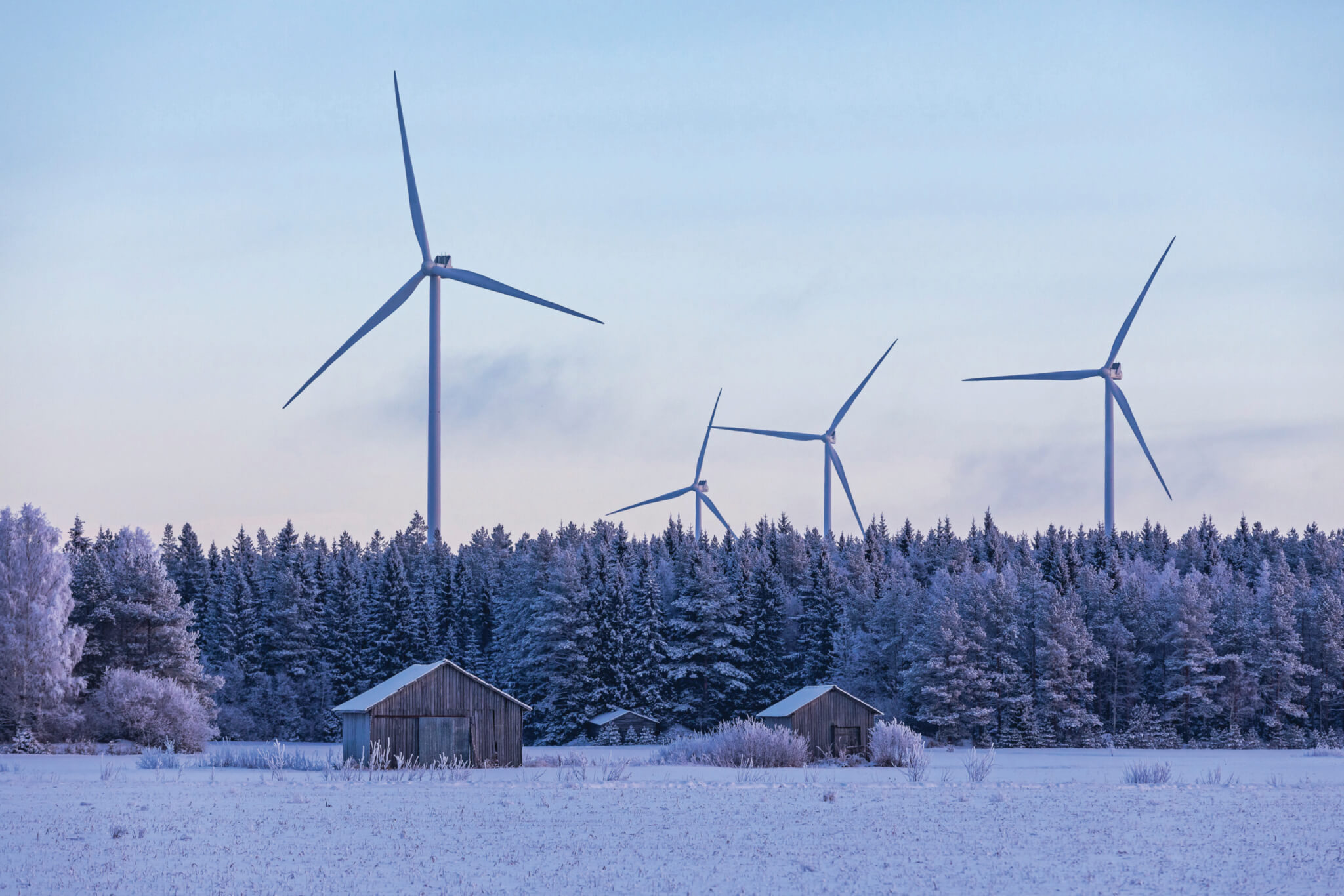
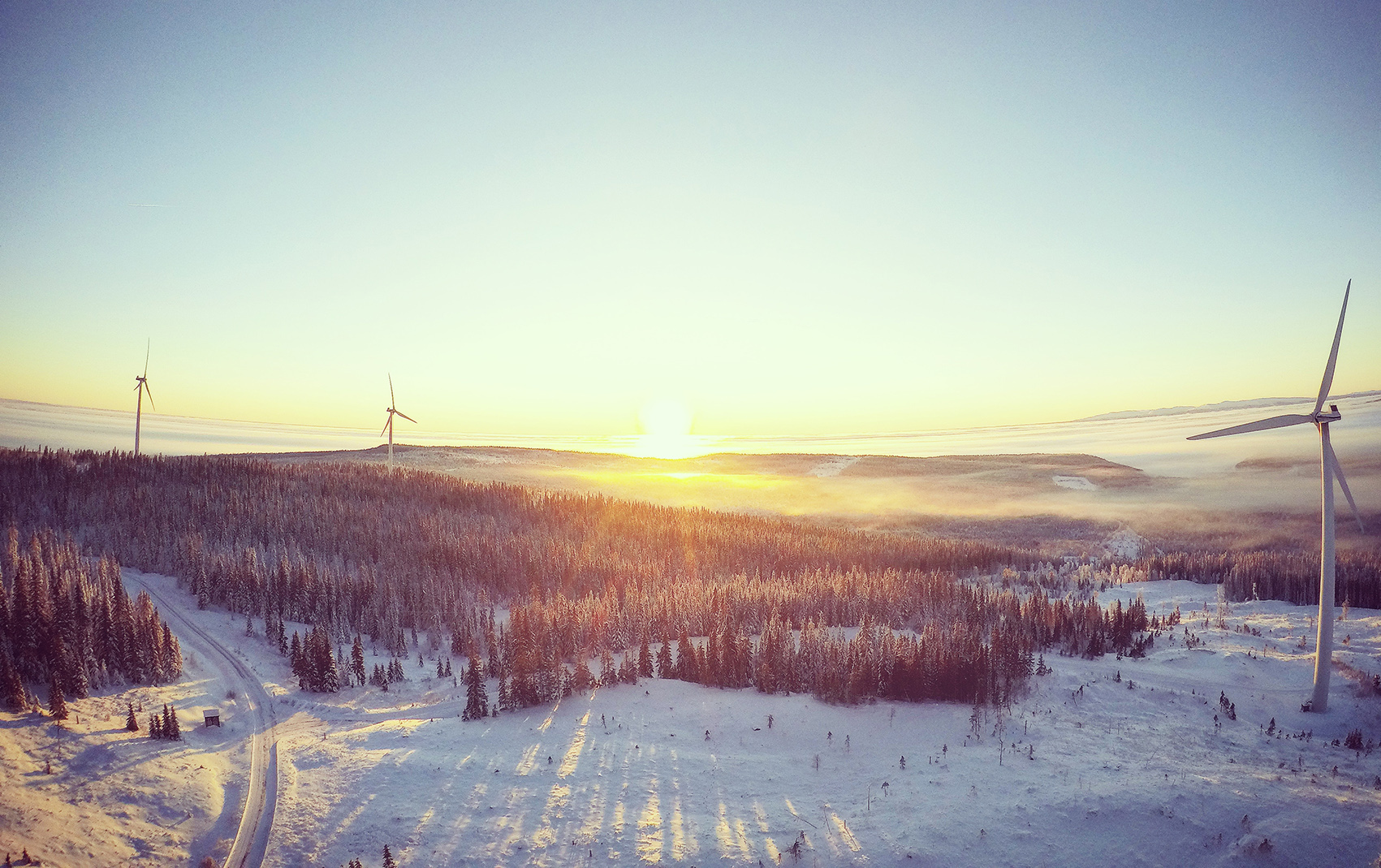
Wind power was Finland’s second-largest source of electricity last year. Its share of Finland’s electricity generation increased to nearly 28 percent, making it the country’s second-largest form of power generation. Only nuclear power produced more electricity. At the same time, solar power generation has also increased. Total electricity consumption grew moderately over the year, and domestic generation strengthened.
Wind power has established itself as a central pillar of Finland’s electricity system. Last year, more than 22 terawatt hours (TWh) of electricity were generated from wind, and as much as 27.9 percent of all electricity produced in Finland came from wind power. Wind power accounted for 26.1 percent of total electricity consumption. With this share, wind power has clearly surpassed hydropower and is now the second-largest source of electricity after nuclear power. Hydropower accounted for 15.6 percent of electricity generation, while nuclear power represented 39.6 percent.
The role of solar power is also growing. Last year, Finland produced slightly under one TWh of solar electricity, corresponding to approximately 1.2 percent of total electricity generation. Although the share is still small, solar power is already beginning to be visible in the structure of the electricity system.
“Compared to other European countries, electricity in Finland is exceptionally affordable – last year Finland had the lowest average electricity price in Europe, and the year before it was the third lowest. A broad wind power portfolio enables a rapid response to growing electricity demand in a way that no other single generation technology can achieve. This is why renewable energy is key to sustainable economic growth and to attracting new investments to Finland. Industrial investments will increasingly go hand in hand with the growth of electricity generation,” says Anni Mikkonen, CEO of Renewables Finland.
More wind power is being built this year as well. New wind farms have been constructed on market terms without government subsidies since 2019. Already more than 70 percent of Finland’s total wind power capacity has been built without financial support. Growth in wind and solar power is expected to continue in the coming years as electrification, industrial investments and the clean transition further increase electricity demand.
Last year, total electricity consumption in Finland amounted to 85 terawatt hours, around two percent more than the previous year. Domestic electricity generation also increased, with growth of just under three percent year-on-year.
Download the annual electricity statistics from the Energy Industries Finland website (in Finnish)
More information